Contrast Therapy

Most people who try contrast therapy for the first time describe the same experience: stepping out of the cold and feeling something shift. Clearer. Lighter. More awake than they have been all day. That response is not a coincidence. It is the body doing exactly what it is designed to do when pushed through the right thermal cycle.


What Is Contrast Therapy?

It is the deliberate alternation between heat exposure and cold immersion to trigger a specific set of physiological responses. The cycle of heat and cold causes blood vessels to dilate and constrict repeatedly, creating a pumping effect that drives circulation, clears metabolic waste, and supports tissue recovery. This is not a wellness trend. It is a practice with documented use in clinical recovery, sports medicine, and physical therapy, applied precisely because the body's response to thermal contrast produces measurable outcomes.

The core mechanism is straightforward: heat causes vasodilation, expanding blood vessels and increasing blood flow to muscles and peripheral tissue. Cold causes vasoconstriction, pushing blood back toward the core and vital organs. Cycling between the two repeatedly amplifies these effects beyond what either therapy achieves in isolation. The result is improved circulation, reduced inflammation, lower cortisol levels, and accelerated recovery; outcomes that have been studied and documented across a range of clinical and performance contexts.

Contrast Therapy For Everyday Wellness

Contrast therapy benefits extend well beyond athletic recovery. For anyone committed to long-term health, the physiological effects of regular hot-and-cold cycling affect nearly every system in the body. Here is what consistent practice supports, based on documented research.

1. Circulation And Cardiovascular Function

The repeated dilation and constriction of blood vessels during hot-cold contrast therapy acts as a form of vascular exercise. Over time, this supports more efficient circulation, healthier blood pressure regulation, and improved delivery of oxygen and nutrients to tissues throughout the body. For individuals managing cardiovascular health or simply prioritizing heart health as part of a long-term wellness strategy, regular contrast therapy provides meaningful, measurable support.

2. Inflammation Reduction And Pain Management

Cold immersion reduces blood flow to inflamed or painful areas by inducing vasoconstriction, thereby decreasing swelling and interrupting the inflammatory cycle. When paired with heat exposure, which relaxes muscles and increases tissue pliability, the combined effect supports pain relief across a range of conditions, including arthritis, chronic muscle tension, repetitive strain injuries, and post-exertion soreness. This is one of the most well-documented applications of contrast bath therapy in both clinical and home wellness settings.

3. Stress Regulation And Cortisol Reduction

Repeated cold exposure has been shown to reduce cortisol, the hormone the body releases in response to stress. Over time, regular contrast therapy builds the body's adaptive response to stressors, both thermal and psychological. Users consistently report improved mood, greater mental clarity, and reduced anxiety following contrast sessions. These effects are tied to endorphin and norepinephrine release triggered by the cold phase, as well as the parasympathetic nervous system activation that follows the heat phase.

4. Immune System Support

Cold water immersion activates white blood cells, which are responsible for immune defense, and stimulates the lymphatic system, supporting the body's natural detoxification processes. Heat exposure complements this by promoting sweating, which helps remove toxins through the skin. Together, the two phases create a complete immune-supporting cycle that research has associated with reduced incidence of upper respiratory infections and improved overall immune resilience with regular use.

5. Sleep Quality Improvement

The combined effects of contrast therapy on cortisol, inflammation, and the nervous system extend into sleep. By reducing physiological stress and promoting circulatory efficiency, regular contrast sessions support the conditions the body needs for deep, restorative sleep. This benefit is particularly relevant for athletes and high-output individuals whose sleep quality is directly tied to training load and recovery capacity.

Contrast Therapy

The Right Temperature Range For Contrast Therapy

Temperature is not a preference in contrast therapy. It is a clinical variable. Using the wrong range reduces efficacy and, at extremes, introduces risk. 

Here is what the documented research and our doctor-informed design parameters establish as the effective and safe range for both phases:

Heat Phase — 150°F To 194°F

This is the effective range for inducing vasodilation, promoting sweat-based detoxification, and triggering the cardiovascular and muscular benefits of heat therapy. Our Traditional 5™ sauna is engineered with an ultra-high performance stove capable of reaching 194°F, supported by military-grade door seals, electronics, and speakers rated for those temperatures. Lower-heat sources in the 150°F to 170°F range, such as full-spectrum infrared saunas, penetrate tissue more deeply due to the nature of infrared wavelengths, making them particularly effective for musculoskeletal recovery.

Cold Phase — 37°F To 60°F

This is the effective range for vasoconstriction, inflammation reduction, and the neurological benefits of cold immersion. Our Frozen™ cold plunges are doctor-informed to reach a minimum of 37°F, clinically considered the lowest safe temperature for regular cold immersion. This floor reflects the medical input of over 48 doctors and physical therapists who contributed to the Frozen™ design.

Transition Time — 30 Seconds To 2 Minutes

Moving too slowly between heat and cold reduces the vascular response. The transition should be deliberate and relatively quick to maximize the temperature shift's pumping effect on the circulatory system.

Cycle Duration — 10 To 20 Minutes Of Heat, 2 To 5 Minutes Of Cold

These ranges reflect commonly used protocols in sports medicine and clinical recovery contexts. Individual tolerance, health status, and experience level all factor into where a person should start within these ranges and how they progress over time.

Session Frequency — 3 To 5 Times Per Week For Active Recovery

For general wellness maintenance, two to three sessions per week produce consistent benefits. For athletes with high training loads, three to five sessions per week support the recovery demands of that level of output.

Building A Contrast Therapy Routine That Delivers Results

A contrast therapy routine that produces lasting outcomes is built on three things: correct temperatures, consistent timing, and regular frequency. Improvisation on any of these reduces efficacy.

Here is how to structure a protocol that works.

Starting Point For New Users

For individuals new to contrast therapy, beginning with a conservative approach reduces the risk of discomfort and allows the body to adapt. Start with 10 minutes of heat at a moderate temperature, followed by 2 minutes of cold immersion at 50°F to 60°F. Complete two to three cycles per session, two to three times per week. Over four to six weeks, gradually increase heat duration, reduce cold temperature toward the 37°F lower bound of the Frozen™ system, and add cycles as tolerance builds.

Protocol For Athletic Recovery

Athletes using contrast therapy for post-training recovery benefit from a more targeted approach. Entering the sauna within 2 hours of completing training maximizes the heat phase's anti-inflammatory benefit. A protocol of 15 minutes of heat followed by 3 to 5 minutes of cold, repeated three cycles, supports lactic acid clearance, reduces delayed onset muscle soreness, and promotes the circulatory conditions needed for effective tissue repair. The Frozen 1™ cold plunge is well-suited for this use case, delivering doctor-informed 37°F cold immersion with the Rapid Internal Cooling System™ that ensures the unit is ready when the training session ends.

General Wellness And Stress Management Protocol

For non-athletes using contrast therapy for stress regulation, sleep support, and immune function, a less intense but equally consistent approach works well. Two cycles of 15 minutes of heat followed by 3 minutes of cold, three times per week, support cortisol reduction, nervous system regulation, and the cardiovascular benefits of regular thermal contrast. The Traditional 5™ sauna's steam capability adds a respiratory benefit to the heat phase, helping clear airways and supporting the detoxification cycle that makes contrast therapy particularly effective for immune health.

Timing Contrast Therapy Within The Day

Morning contrast therapy sessions support energy, alertness, and cortisol regulation throughout the day. Evening sessions, particularly those that end on the cold phase, support the nervous system transition into parasympathetic rest and can improve sleep onset and quality. The Frozen 3™ cold plunge, with its Patent-Pending Essential Oil Steam Generator and natural aromas including Lavender and Eucalyptus, adds a sensory dimension to evening sessions, further supporting relaxation and respiratory ease.

Choosing The Right Equipment For Contrast Therapy At Home Or In A Facility

The equipment pairing is what makes or breaks a contrast therapy setup. Heat source selection, cold plunge performance, and the practical requirements of the space all factor into which combination delivers the outcomes you are building the routine around.

Full-Spectrum Infrared For Deep Tissue Heat

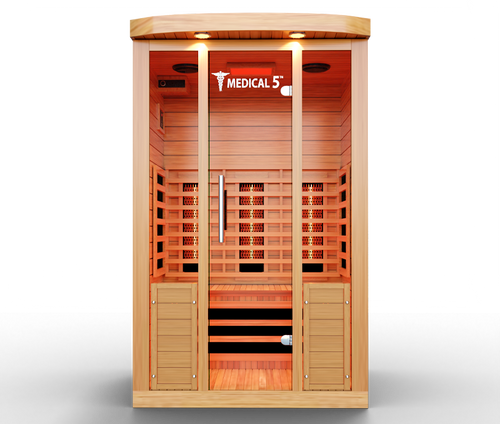
The Medical 5™ is a 2- to 3-person full-spectrum infrared sauna with 9 heaters that deliver near-, mid-, and far-infrared wavelengths. Full-spectrum infrared penetrates more deeply into muscle and connective tissue than surface heat sources, making it particularly effective for the heat phase of a contrast therapy protocol targeting recovery and musculoskeletal health. Interior dimensions of 57" x 37" x 69" provide adequate space for movement and stretching during the heat phase. The Rapid Internal Heating System™ reaches operating temperature in as little as 40 minutes, and the Hot/Cold Cleansing System™ is specifically designed to support contrast therapy cycling.

Traditional Steam For High-heat And Respiratory Benefits

The Traditional 5™ is a 2-person steam sauna with an ultra-high-performance stove that reaches up to 194°F. For users who want the authentic high-heat experience of a traditional sauna as the heat phase of their contrast protocol, the Traditional 5™ delivers that with natural hemlock construction, an insulated airflow system, and doctor-recommended temperature control. The steam adds a respiratory component that infrared does not provide, making it a strong choice for users who include immune support and respiratory wellness in their contrast therapy goals.

Cold Plunge Selection For Home And Commercial Use

The Frozen 1™ is the entry point into the Frozen™ line for home contrast therapy setups, delivering the full Frozen™ engineering standard, including a minimum temperature of 37°F, FoamSeal™ Military-Grade Insulation, 20 Ultra Micron filtration, and plug-and-play 120-volt operation. For users who want to pair a sauna and cold plunge in a single outdoor environment, the Nature X Combo delivers a complete outdoor contrast therapy system combining a hybrid Nature Sauna™ with a Frozen™ cold plunge, engineered for permanent outdoor installation and year-round use.

Frequently Asked Questions

How many cycles should a contrast therapy session include?

The most effective protocols include 2 to 3 cycles per session. Each cycle consists of 10 to 20 minutes of heat followed by 2 to 5 minutes of cold immersion. New users should start conservatively and build tolerance over four to six weeks.

What temperature should the cold plunge be for contrast therapy?

The effective cold range is 37°F to 60°F. Our Frozen™ cold plunges reach a doctor-informed minimum of 37°F, clinically considered the lowest safe temperature for regular cold immersion and designed to produce consistent vasoconstriction without compromising user safety.

Can contrast therapy help with chronic pain and inflammation?

Yes. Cold immersion reduces blood flow to inflamed or painful areas, decreasing swelling and interrupting the inflammatory cycle. When paired with heat, which relaxes muscles and increases tissue pliability, the combined effect supports pain relief for arthritis, repetitive strain, and post-exertion soreness.

Which Medical Saunas™ product works best as the heat source for contrast therapy?

Both the Medical 5™ full-spectrum infrared sauna and the Traditional 5™ steam sauna are well-suited. Infrared penetrates deeper into muscle tissue, while the Traditional 5™ reaches up to 194°F for high-heat sessions with added respiratory benefits from steam exposure.

How often should contrast therapy be practiced for results?

For general wellness, two to three sessions per week produce consistent benefits. Athletes or individuals in high training loads benefit from three to five sessions per week to meet the recovery demands of their output and training schedule.

Does Medical Saunas offer a combined contrast therapy setup?

Yes. The Nature X Combo pairs a hybrid outdoor Nature Sauna™ with a Frozen™ cold plunge, purpose-built for outdoor contrast therapy use. Indoor pairings of any Medical Saunas™ sauna model with a Frozen™ cold plunge also create a complete contrast therapy circuit.