Choosing between dry and steam therapy depends on your specific wellness goals, respiratory health, and personal preferences. Understanding dry sauna vs wet sauna helps you select the right approach for your routine.
Heat Type And Humidity Levels
Dry saunas maintain humidity below 20%, typically ranging from 5-15%. This low humidity allows sweat to evaporate efficiently, cooling your skin and enabling comfortable sessions at higher temperatures (170-195°F for traditional, 120-150°F for infrared).
Steam rooms operate near 100% humidity at lower temperatures (100-120°F). High humidity prevents sweat evaporation, making the environment feel hotter than the actual temperature and intensifying respiratory symptoms. Moisture affects how heat transfers to your body and alters cardiovascular loading patterns compared to dry heat.
Respiratory Impact And Breathing Comfort
Dry heat generally feels easier to breathe for most users. Low humidity does not challenge respiratory passages as intensely, making dry saunas a more accessible option for those with asthma, chronic obstructive pulmonary disease, or heat-sensitive respiratory conditions.
Steam creates moist air that may help with certain respiratory issues by loosening mucus and easing breathing comfort for some users. The intense humidity can feel oppressive for others, and individual tolerance varies significantly. Your respiratory health should be a key factor when making this choice.
Skin And Joint Health Outcomes
Steam's high humidity may provide additional skin hydration and feel soothing for some joint conditions. The moist heat penetrates differently than dry heat, which some users prefer for arthritis symptoms or muscle tension.
Dry heat, particularly infrared, penetrates deeper into tissue without moisture, potentially reaching joints and muscles more effectively. The lower humidity reduces skin maceration and makes it feel less sticky during and after sessions. Users with certain skin conditions may tolerate dry heat better than steam exposure.
Ideal Use Cases For Each Therapy
Dry saunas excel for cardiovascular conditioning, athletic recovery protocols, and users seeking intense heat exposure with comfortable breathing. They are also a practical choice for those investing in a dry sauna for the home due to easier maintenance and installation.
Steam rooms work well for respiratory support (for appropriate users), pre-workout warming, and for those who prefer gentler temperatures with a strong heat sensation. They require more maintenance due to moisture and are typically unsuitable for residential installations without significant moisture management.
Choosing The Right Dry Sauna For Your Space
The right system means matching technology, size, and build quality to your specific application, available space, and how you plan to use it. The wrong choice results in expensive equipment that does not align with your wellness goals.
Indoor Full-Spectrum Infrared Models
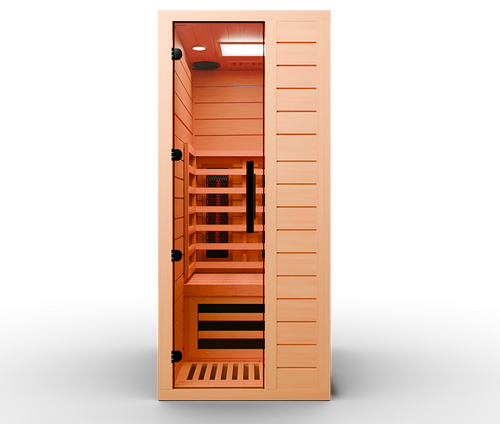
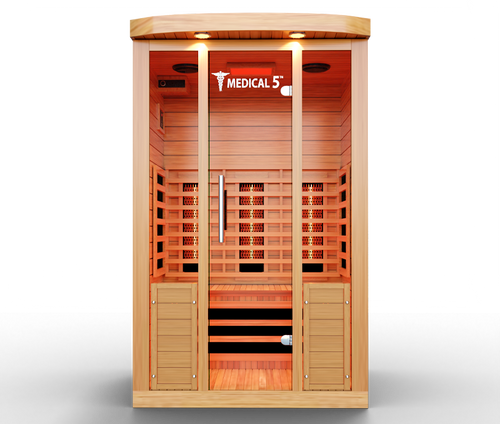
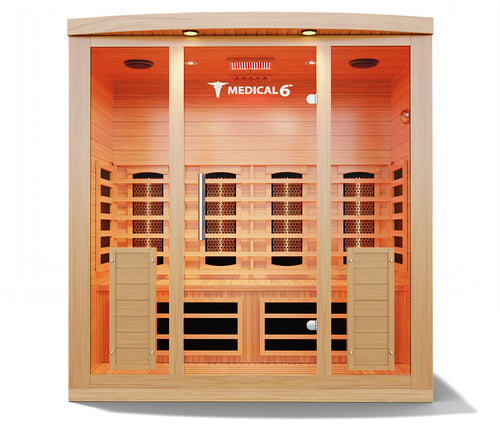
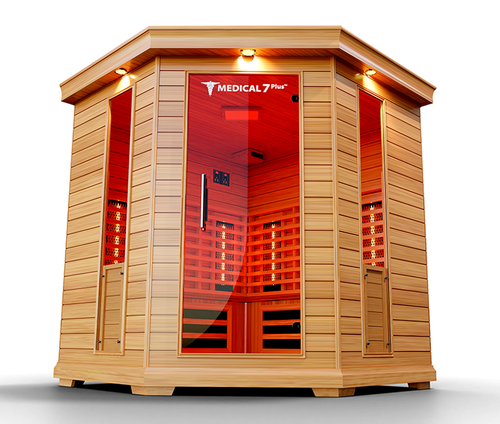
Indoor infrared saunas fit residential spaces efficiently while delivering therapeutic heat at comfortable temperatures. Full-spectrum models provide near, mid, and far-infrared wavelengths for comprehensive tissue penetration at lower ambient temperatures (120 to 150°F), making them well-suited for daily use and for users building heat tolerance.
For anyone researching a dry sauna for home installation, these models offer a strong combination of accessibility, therapeutic range, and daily usability. To review the safety profile of infrared heat before committing, our blog on are infrared saunas safe addresses this directly.
Build Quality And Installation Requirements
Our indoor models use natural hemlock construction with optimized heater placement for even heat distribution. Proper electrical requirements (typically 15-20 amp circuits) and adequate ventilation matter for consistent performance and longevity. Poor ventilation leads to moisture accumulation even in dry saunas, compromising wood integrity and creating maintenance problems.
Choosing The Right Sauna Size
Size selection depends on actual usage patterns. Solo users need sufficient space for comfortable positioning; cramped quarters reduce session quality. Multi-user households should consider dimensions that accommodate simultaneous sessions rather than forcing sequential use that reduces protocol adherence.
Outdoor Hybrid Nature Saunas
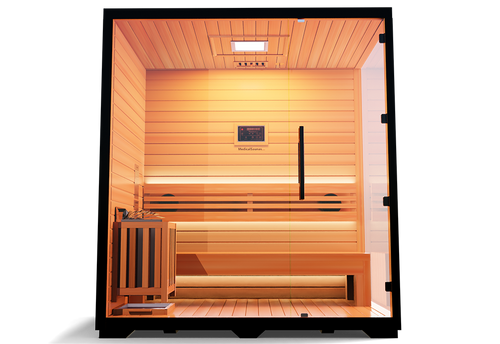
Outdoor Nature Saunas combine traditional stove heat and infrared technology in weatherproof structures built for year-round use. These hybrid systems reach higher temperatures than indoor infrared models while maintaining full-spectrum capabilities, delivering versatile therapy options across seasons and wellness goals.
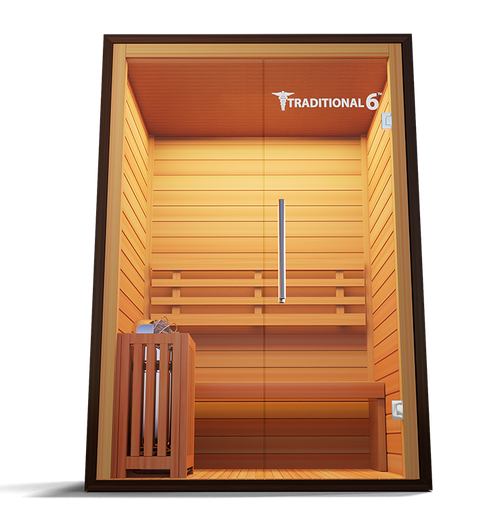
Our full range of traditional saunas covers available models, configurations, and specifications so you can compare options before making a decision.
Outdoor Placement And Setup Requirements
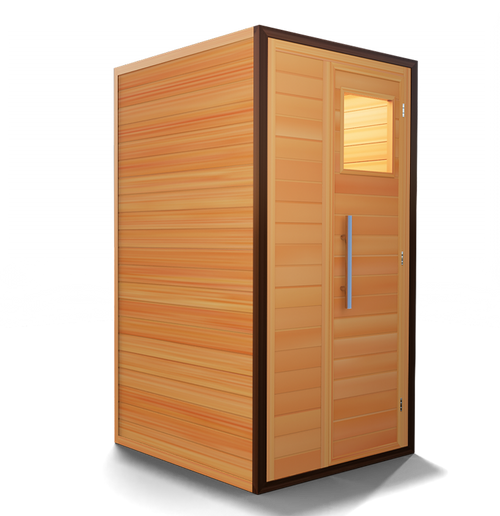
Placement requires level foundations, proper drainage, and adequate clearance for ventilation and safety. Our outdoor models feature enhanced insulation and weather-resistant construction because maintaining temperature is key to therapeutic effectiveness and energy efficiency.
Benefits Of Outdoor Sauna And Cold Plunge Pairing
Outdoor saunas pair naturally with cold plunge systems for contrast therapy protocols. The temperature differential between the sauna and the outdoor environment enhances cardiovascular responses and creates structured recovery routines that support athletic performance and wellness goals.
Commercial Grade Systems For Facilities
Gyms, wellness centers, and medical facilities need robust construction, higher capacity, and consistent performance under heavy use. Commercial systems require reinforced components, enhanced electrical systems, and maintenance protocols supporting multiple daily sessions.
Reliability And Performance For High Use
We engineer commercial units with medical-grade standards because facility reputations depend on equipment reliability. Downtime caused by poorly constructed systems damages client trust and results in revenue loss. Our commercial-grade construction supports decades of consistent use rather than planned obsolescence common in consumer products.
Installation Requirements For Commercial Spaces
Facility installations require professional assessment of electrical capacity, ventilation requirements, and local building codes. We provide technical support throughout installation because proper setup determines whether your investment delivers therapeutic value or becomes an expensive problem.
Custom Sauna Solutions For Unique Spaces
Unique spaces, specialized applications, and specific therapeutic protocols sometimes require custom engineering. We design systems matching your exact requirements, unusual dimensions, specific heat configurations, accessibility needs, or integration with existing wellness facilities.
How To Use A Dry Sauna Safely And Effectively
Therapeutic outcomes depend on consistent, evidence-based protocols. Structured practice, repeated regularly, is what produces the physiological changes that drive recovery and wellness over time. For a complete walkthrough of session structure and timing, our sauna usage guide covers every stage in detail.
Session Duration And Temperature Guidelines
Begin with 10-15 minute sessions at moderate temperatures (140-160°F for traditional, 110-130°F for infrared). Gradually increase duration to 20-30 minutes and temperature as thermal tolerance improves. Listen to your body; dizziness, nausea, or excessive discomfort signal the need to exit immediately.
Why Consistency Matters More Than Duration
Frequency matters more than duration. Four 20-minute sessions weekly provide better adaptation than one 80-minute session. Consistent exposure triggers physiological changes that support cardiovascular health and recovery processes.
Pre-Session Preparation Guidelines
Shower before sessions to remove skin oils and products that may interfere with sweating. Enter hydrated but not immediately after large meals, allow 1-2 hours for digestion. Bring water into the sauna for sipping during longer sessions.
Post-Session Cool-Down Process
Post-session cool-down matters for safety and therapeutic benefit. Exit gradually, sitting for 1-2 minutes before standing to prevent orthostatic hypotension. Cool-down periods allow heart rate and blood pressure to normalize while supporting parasympathetic nervous system activation.
Rehydration And Recovery After Sessions
Shower after sessions to remove sweat and support gradual cooling. Rehydrate systematically with water and, for intense sessions, electrolyte replacement. Monitor your response; excessive fatigue or a prolonged elevated heart rate suggests you're pushing too hard.
Hydration Strategy Before, During, and After
Sauna sessions cause significant fluid and electrolyte loss through sweating. Drink 16-24 ounces of water 1-2 hours before sessions. Sip water during sessions to maintain hydration without overwhelming your stomach. Rehydrate post-session thoroughly, replacing fluid losses documented by body weight changes.
Electrolyte Needs for Longer or Back-to-Back Sessions
Sessions over 25 minutes or consecutive daily sessions require electrolyte replacement beyond water alone. Sodium, potassium, and magnesium losses affect muscle function and cardiovascular health. Electrolyte supplementation is worth incorporating for intense protocols and long-term daily use.
When To Consult A Healthcare Provider
Consult healthcare providers before starting sauna protocols if you have cardiovascular disease, uncontrolled hypertension, a recent heart attack, pregnancy, or conditions affecting thermoregulation. Certain medications affect heat tolerance and sweating response; your physician needs to evaluate potential interactions.
Avoiding Alcohol During Sauna Use
Alcohol and sauna use create dangerous combinations through amplified dehydration, impaired temperature regulation, and increased cardiovascular stress. Avoid sessions while intoxicated or hungover.
Special Considerations For Children And Older Adults
Children tolerate heat differently from adults. Limit sessions to shorter durations at lower temperatures with careful supervision. Elderly users may need modified protocols based on cardiovascular health and medication use.
Sources:
- Beever, Richard. (2009). Far-infrared saunas for treatment of cardiovascular risk factors Summary of published evidence. Canadian family physician Médecin de famille canadien. 55. 691-6.
- Shui S, Wang X, Chiang JY, Zheng L. Far-infrared therapy for cardiovascular, autoimmune, and other chronic health problems: A systematic review. Exp Biol Med (Maywood). 2015 Oct;240(10):1257-65. doi: 10.1177/1535370215573391. Epub 2015 Feb 25. Retraction in: Exp Biol Med (Maywood). 2020 Aug;245(14):NP1. doi: 10.1177/1535370220940656. PMID: 25716016; PMCID: PMC4935255.
- Podstawski R, Borysławski K, Józefacka NM, Snarska J, Hinca B, Biernat E, Podstawska A. The influence of extreme thermal stress on the physiological and psychological characteristics of young women who sporadically use the sauna: practical implications for the safe use of the sauna. Front Public Health. 2024 Jan 26;11:1303804. doi: 10.3389/fpubh.2023.1303804. PMID: 38344040; PMCID: PMC10853428.