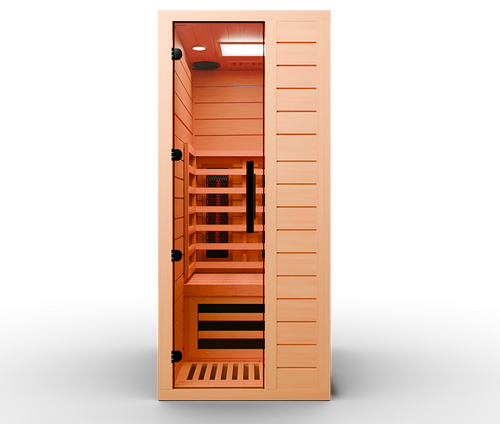
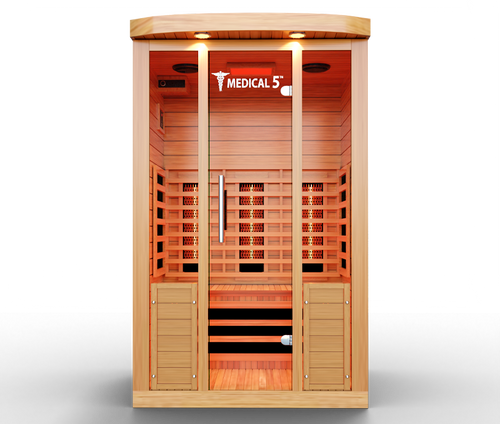
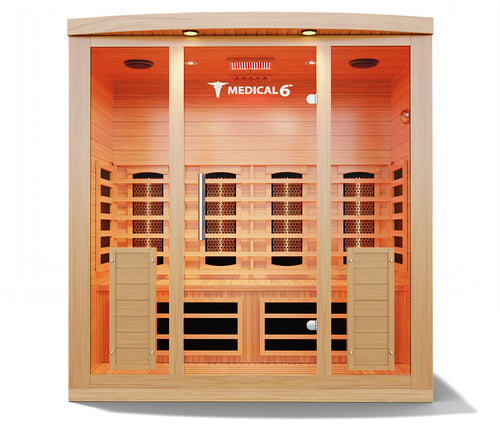
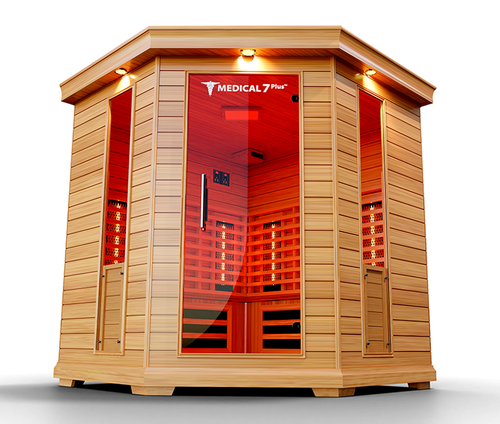
Selecting the right space for an indoor infrared sauna starts with understanding its physiological demands and the realities of modern living spaces. Unlike traditional saunas, infrared models require less square footage, but their installation still demands attention to room conditions to optimize both safety and therapeutic efficiency.
Placement Considerations
The ideal location is quiet, private, and climate-controlled, away from direct sunlight, exterior walls, and sources of variable humidity. Basements, unused bedrooms, and designated wellness rooms are popular choices. Ensure the floor is level, dry, and can support the unit’s weight. Ceiling clearance should accommodate the sauna’s height, with an additional 6-12 inches to allow for optimal air circulation.
Ventilation For Saunas
Despite lower ambient temperatures than conventional saunas, infrared units generate significant heat and humidity, especially during prolonged sessions. Effective ventilation is non-negotiable for dissipating heat, maintaining air quality, and ensuring user comfort. Passive vents are often integrated into the structure.
However, supplementary mechanical ventilationmay be needed in smaller or non-vented rooms. As always, door and window seals must be tight to prevent leaks, but they should be easy to open for quick egress and additional airflow during cool-down phases.
Flooring Materials
Select non-porous, moisture-resistant flooring to prevent warping, staining, or microbial buildup. Ceramic tile, luxury vinyl, and sealed concrete are common solutions noted for their durability and hygiene. Avoid carpet and unfinished wood, as these materials can harbor bacteria and degrade over time from repeated heat exposure and sweat.
Room Design And Aesthetics
The environment surrounding an indoor infrared sauna should reinforce the relaxing, health-oriented atmosphere users seek. Consider ambient lighting, soundproofing, and minimalistic décor for focus and calm. Keep the area uncluttered and ensure easy access to hydration, towels, and post-session recovery gear. Power outlets must support the sauna’s draw without overloading circuits, ideally on a dedicated line installed by a licensed electrician.
Common Myths About Infrared Saunas Debunked
Infrared saunas have surged in popularity, promising a range of health benefits, but the conversation is often dominated by anecdotal claims and persistent myths. Let's separate fact from fiction using current research and medical insight.
Myth 1: Infrared Saunas Are A Cure-All
No sauna is a miracle solution. While full-spectrum infrared therapy supports improved circulation, muscle recovery, and temporary relief of joint pain, research does not support claims that infrared saunas alone “detox” the body in any absolute way or cure chronic illnesses. Instead, infrared heat is most effective as part of a broader wellness routine that includes hydration, balanced nutrition, and consistent medical care.
Myth 2: Infrared Saunas Are Unsafe Or Overly Intense
Infrared technology operates at lower ambient temperatures than traditional steam saunas, making sessions accessible for individuals who might find high heat uncomfortable. Quality systems are engineered with safety features and precise temperature controls. Most healthy adults, when following usage guidelines and staying hydrated, can benefit from regular infrared sauna use without undue risk.
Myth 3: All Infrared Saunas Deliver The Same Results
Not all infrared saunas are created equal. Clinical studies emphasize the importance of heater quality, full-spectrum coverage (including near-, mid-, and far-infrared), and proper construction using safe, natural materials. The medical effectiveness of an infrared sauna depends on design parameters, such as heat distribution, materials, and airflow, rather than just the presence of infrared panels.
Discerning users are best served by looking past the hype and focusing on systems that prioritize medical-grade engineering, published research, and transparent performance metrics.
Sources:
- Kim K, Monroe JC, Gavin TP, Roseguini BT. Local Heat Therapy to Accelerate Recovery After Exercise-Induced Muscle Damage. Exerc Sport Sci Rev. 2020 Oct;48(4):163-169. doi: 10.1249/JES.0000000000000230. PMID: 32658042; PMCID: PMC7492448.
- Lee E, Kolunsarka I, Kostensalo J, Ahtiainen JP, Haapala EA, Willeit P, Kunutsor SK, Laukkanen JA. Effects of regular sauna bathing in conjunction with exercise on cardiovascular function: a multi-arm, randomized controlled trial. Am J Physiol Regul Integr Comp Physiol. 2022 Sep 1;323(3):R289-R299. doi: 10.1152/ajpregu.00076.2022. Epub 2022 Jul 4. PMID: 35785965; PMCID: PMC9394774.
- Cantet JM, Yu Z, Ríus AG. Heat Stress-Mediated Activation of Immune-Inflammatory Pathways. Antibiotics (Basel). 2021 Oct 21;10(11):1285. doi: 10.3390/antibiotics10111285. PMID: 34827223; PMCID: PMC8615052.