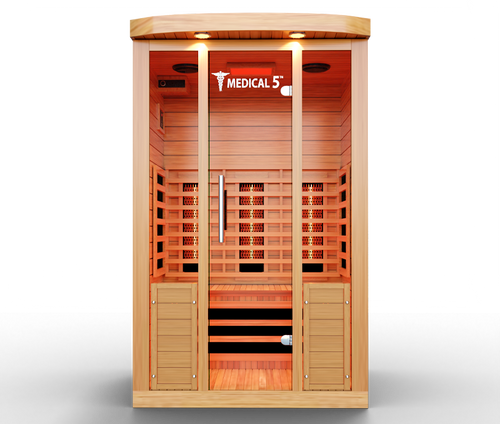
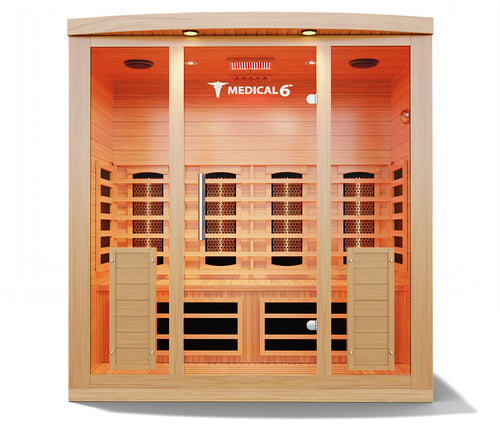
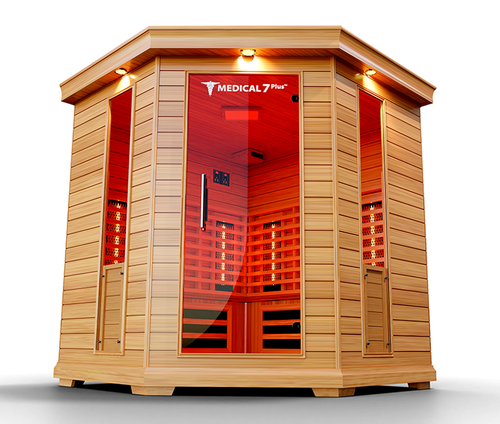
Home Infrared Sauna

What if your most effective recovery tool required no appointments, no commute, and no shared spaces? For many people, consistency is the real barrier to lasting wellness. A home infrared sauna removes that friction entirely, turning heat therapy into something you can rely on daily, on your schedule and your terms.


Medical Benefits Of Home Infrared Sauna

For people seeking clinically grounded wellness gains, home infrared saunas deliver far more than comfort. They offer research-backed physiological benefits recognized by healthcare professionals worldwide, and are frequently compared favorably to a traditional sauna for long-term, lower-strain use. Peer-reviewed studies have highlighted several core advantages:

1. Enhanced Circulation And Cardiovascular Health

Infrared heat penetrates deep into muscle tissue, stimulating vasodilation and increasing blood flow. Controlled trials published in medical journals report that regular infrared sessions can help reduce blood pressure and mimic the effects of moderate exercise, making an indoor home infrared sauna a practical option for cardiovascular support. For users looking to build a sustainable heart-health routine at home, an indoor home infrared sauna is one of the most research-supported tools available.

2. Recovery And Muscle Repair

Athletes and performance-focused users depend on infrared heat to accelerate recovery between training sessions. Evidence points to reduced delayed onset muscle soreness (DOMS), faster tissue healing, and decreased inflammation after consistent use. These outcomes are found when evaluating the best home infrared sauna for post-exercise recovery. Incorporating regular sessions can make a measurable difference in how quickly the body bounces back.

3. Detoxification Pathways

Unlike traditional saunas that rely solely on ambient air heating, infrared systems elevate core body temperature at lower air temperatures, encouraging a deep, gentle sweat. This process is shown to mobilize and excrete heavy metals, environmental toxins, and metabolic waste products, factors supported by toxicology studies examining sweat composition during infrared sauna use. This advantage makes an infrared sauna for home use appealing to individuals who prioritize detox without extreme temperatures.

4. Stress Reduction And Sleep Quality

Consistent infrared sauna therapy has demonstrated measurable reductions in stress biomarkers, such as cortisol. Users report improvements in mood, relaxation, and sleep quality. Activating the parasympathetic nervous system, infrared heat helps counteract the physical toll of daily stress and encourages more restorative rest, a result echoed in multiple clinical studies. For anyone who has struggled with winding down at night, that benefit alone can transform the quality of sleep.

5. Immune System Support

Targeted increases in core temperature during a sauna session stimulate white blood cell production and reinforce the immune response. This "artificial fever" effect, documented in immunology research, helps the body build stronger defenses against seasonal illnesses without pharmaceuticals or invasive therapies. Regular sessions create a consistent stimulus for immune activation, making home infrared sauna use a drug-free addition to any long-term health strategy.

Home Infrared Sauna

Customizing Heat Settings For Every Member Of Your Household

A home infrared sauna is at its best when it supports everyone in the household, adapting to different preferences, wellness goals, and tolerances. Infrared technology makes this possible through precise temperature control and a full spectrum of heat intensity, from gentle warmth for children and beginners to deeper sessions for experienced users, whether in a full-cabin or portable infrared sauna.

Lower Temperature Settings For Beginners And Children

Modern sauna systems allow safe adjustment of heat output and session duration. Lower temperatures, typically between 110°F and 120°F, are appropriate for younger users, heat-sensitive individuals, or those new to sauna use. Short sessions help establish comfort and routine, even in a small infrared sauna for apartment living.

Higher Heat Options For Adult Recovery And Performance

For adults with established sauna routines or specific recovery goals, higher temperature settings up to 140°F or more support circulation, muscle relaxation, and metabolic activation. Zoned heating panels and adjustable controls allow the environment to be tailored quickly to individual needs, including in compact setups like a 1 person infrared sauna.

Safety Features And Family Usage Guidelines

Built-in safety features such as auto-shutoff functions and real-time temperature monitoring support safe family use. Establishing clear guidelines, scheduled sessions, and hydration reminders helps ensure infrared sauna use remains consistent, comfortable, and beneficial for every household member using an infrared sauna for home.

Which Infrared Wavelength Is Right For Your Goals?

Infrared saunas harness a spectrum of wavelengths, each interacting with the body in distinct ways. Understanding these differences allows you to tailor sessions for specific health and performance outcomes.

Near Infrared (NIR): Surface-Level Healing And Skin Health

This shorter wavelength penetrates the skin's surface layers, promoting cellular regeneration and enhancing wound healing. Its intensity is ideal for users seeking skin rejuvenation, muscle recovery, or faster healing from minor injuries. Near Infrared also supports collagen production and is often chosen for its targeted therapeutic effects.

Mid Infrared (MIR): Circulation And Inflammation Relief

Slightly longer, mid infrared penetrates deeper into tissues and muscles. It's particularly effective at increasing circulation and reducing inflammation, key factors in relieving chronic pain and muscular soreness. Athletes often prioritize MIR when comparing an infrared sauna blanket vs sauna for deeper tissue benefits.

Far Infrared (FIR): Deep Detox And Full-Body Performance

Reaching the deepest tissues, far infrared is the powerhouse for full-body detoxification and elevating core temperature. FIR helps to mobilize toxins, increase metabolic rates, and support cardiovascular health. For those prioritizing detox or seeking intensive systemic benefits, far infrared can deliver measurable, research-backed results. 

Many full-spectrum systems cover all wavelengths, a defining feature of the best custom infrared sauna. They offer flexibility to adapt to changing goals,  such as alternating between skin-focused treatments and comprehensive detox routines. When selecting an infrared sauna, clarify your intention: whether it’s recovery, skin health, inflammation management, or overall wellness, matching the wavelength technology to your objectives is critical for optimal results.

What To Look For In Wood Quality And Sauna Construction

When evaluating a home infrared sauna, the choice of wood and the precision of its construction are foundational to the unit’s health benefits, longevity, and overall performance. The quality of wood plays an essential role in safety, comfort, and thermal efficiency.

Why Wood Selection Matters

The right wood for a home sauna is non-toxic, low in resin, and hypoallergenic. Hemlock, Western red cedar, and basswood are frequently recommended for their strength, minimal off-gassing, and resistance to warping under high heat. These woods maintain air purity, reducing the risk of irritants or allergens during routine sessions. While the home sauna cost can increase slightly, the right materials translate to much lower maintenance costs and a longer product lifespan.

Construction Techniques And Insulation

A medically sound sauna depends on more than just the wood itself. Attention to board thickness, joint precision, and insulation translates into consistent internal heat and efficient energy use. Thicker planks (≥1.5") and interlocking joinery help trap heat, enhance structural stability, and prevent warping. Quality insulation between panels prevents thermal leaks, so the sauna heats up quickly and maintains your desired temperature, critical for both comfort and therapy. 

Airflow And Structural Safety

Effective design considers air circulation as well. Look for ventilated systems that promote airflow without compromising heat retention. Secure, tight construction using stainless steel fasteners and medical-grade adhesives ensures there’s no exposure to volatile organic compounds (VOCs) or unnecessary hardware corrosion over years of high-humidity use.

Installation Requirements And Electrical Considerations

Bringing a home infrared sauna into your wellness routine calls for deliberate planning around installation. Getting these details right from the start protects your investment and keeps your sessions running reliably for years.

Choosing The Right Location For Installation

Start by identifying a level, dry, and well-ventilated location with ample clearance around all sides. This ensures proper airflow, safe operation, and easy maintenance access over time. Most residential outdoor home sauna fit well in spare rooms, basements, or dedicated wellness areas, but confirming measurements in advance helps prevent installation issues.

Understanding Electrical Requirements By Sauna Size

Electrical requirements vary by sauna model, so manufacturer specifications should always guide planning. Many single- or two-person infrared saunas operate on standard 120V outlets with a dedicated 15- or 20-amp circuit. Larger or hybrid models may require 240V service and higher amperage, making licensed electrician installation strongly recommended for safe and reliable operation.

Electrical Safety And Grounding Standards

Safety is essential during installation. All wiring, whether existing or newly installed, should be inspected before connecting the sauna. Proper grounding is required to protect users and equipment. While most home infrared saunas include built-in electrical safeguards and clear instructions, a professional evaluation adds an extra layer of confidence.

Insulation, Airflow, And Environmental Protection

Advanced insulation and airflow design directly affect energy efficiency and temperature consistency. When installing in areas with fluctuating temperatures or outdoors, additional weatherproofing and electrical protection may be necessary to maintain safety, performance, and long-term durability.

Planning For Long-Term Reliability

Addressing installation and electrical considerations upfront ensures your infrared sauna delivers consistent, medically effective performance. Proper setup supports reliable operation today while protecting components and maintaining safety standards for years of regular use.

Maintenance Tips For Decades Of Reliable Use

A high-performance home infrared sauna can deliver years of restorative heat therapy, provided you follow a thoughtful maintenance regimen. Here are evidence-based steps for ensuring your sauna remains as effective and inviting as the day it arrived.

  • Prioritize Regular Cleaning: Wipe down interior surfaces, including benches, panels, and flooring, after every session with a soft cloth and a gentle, non-toxic cleanser. Allowing sweat or moisture to linger can breed bacteria and break down wood finishes over time. Pay special attention to corners and under the bench where moisture may accumulate.
  • Maximize Ventilation: After each use, open the sauna door and any available vents. Increased airflow helps disperse residual heat and moisture, protecting both the wood and electronic components. If your model has removable floor boards or panels, lift them periodically to allow complete drying below.
  • Inspect Heaters & Controls: Infrared emitters and digital panels should be regularly inspected. Look for signs of discoloration, irregular light output, or error messages. Catching technical issues early ensures optimal heat performance and avoids system downtimes that could disrupt your wellness routine.
  • Respect Weight Limits & Placement: Adhere strictly to recommended weight capacities and avoid storing heavy equipment inside the sauna. Uneven stress on benches or floors can reduce structural integrity over time. Proper placement away from direct sunlight and sources of excess humidity also supports long-term durability.
  • Use Only Approved Accessories: Limiting towels, mats, or cushions to those made from sauna-safe materials prevents off-gassing or chemical exposure during high-heat sessions. Inferior or makeshift add-ons can degrade more quickly and compromise airflow or sanitation.
  • Schedule Periodic Deep Cleans & Inspections: Plan thorough annual maintenance that includes wood conditioning with approved oils, tightening hardware, and examining seals around doors, windows, and vents. This proactive approach sustains insulation performance and ensures airtight heat retention for years to come.

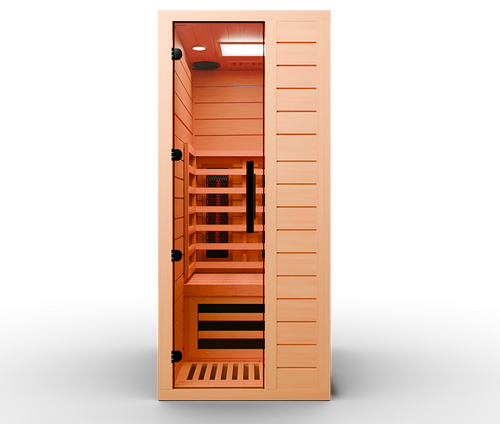
Frequently Asked Questions

What is a home infrared sauna?

A home infrared sauna is a wellness device designed for residential use that uses infrared heaters to emit light, which is absorbed by the skin and heats the body directly. Unlike traditional steam saunas, which heat the air around you, infrared saunas penetrate deeper, enabling efficient sweating at lower ambient temperatures. At Medical Saunas, we engineer systems that combine full-spectrum infrared heat and traditional steam technology, so users can benefit from both modalities based on their wellness goals.

Are infrared saunas safe to use at home?

Yes, when used as directed, infrared saunas are generally considered safe for home use. Our medical-grade infrared saunas are vetted by 48 doctors to ensure safety, durability, and consistent heat distribution. It’s important to follow manufacturer guidelines, stay hydrated, and be mindful of your personal health status, especially if you’re managing chronic conditions or taking medication. Always consult your physician before starting a sauna regimen.

How long should you stay in an infrared sauna per session?

Most experts recommend sessions of 15 to 30 minutes in an infrared sauna, depending on your heat tolerance and experience level. Beginners should start at the lower end and incrementally increase their session time as their body adapts. Medical Saunas are engineered with rapid heating and advanced airflow to provide consistent, controllable environments for optimal results.

How often can I use my home infrared sauna?

For most healthy adults, using an infrared sauna 3 to 4 times per week is safe and can maximize wellness benefits such as muscle recovery, improved circulation, and effective detoxification. Some users with advanced fitness goals or ongoing therapeutic needs may use their saunas daily. Always listen to your body and consult your healthcare provider if you have any health concerns.

Do infrared saunas use a lot of electricity?

Infrared saunas are more energy-efficient than traditional steam saunas, as they heat your body directly rather than the entire air volume. Power usage depends on the sauna’s size and the number of heaters, but most residential models use about the same amount of electricity as a clothes dryer per session. Medical Saunas are engineered with energy efficiency in mind, pairing rapid internal heating with high-performance insulation.

Can children use a home infrared sauna?

Children and adolescents should only use a home infrared sauna under the guidance of a healthcare professional. Their bodies are more sensitive to heat, so session time, temperature, and frequency should be strictly limited. Medical Saunas are designed for versatility and safety, but always prioritize medical advice for young users.