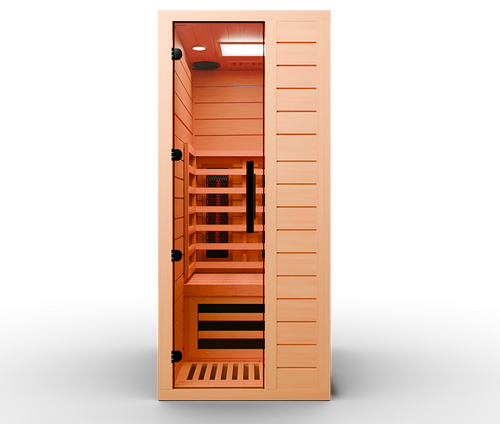
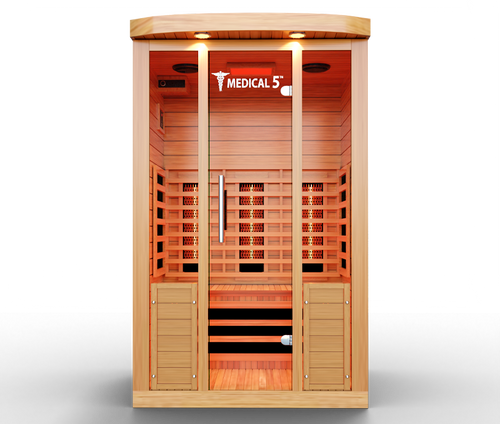
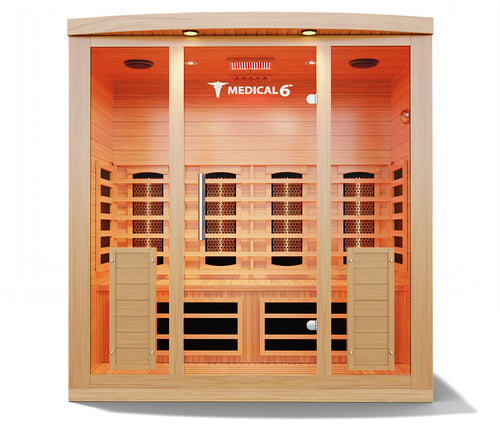
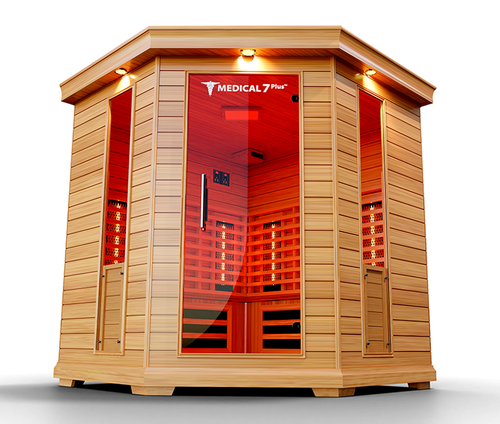
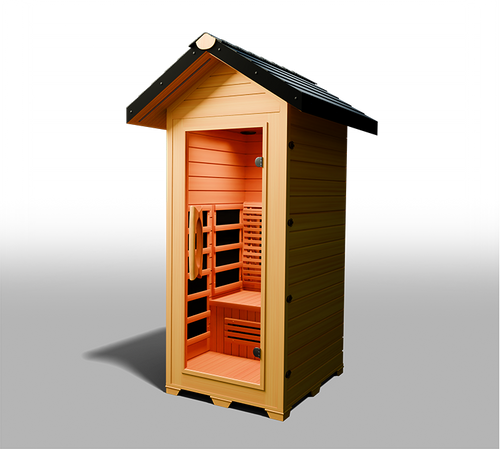
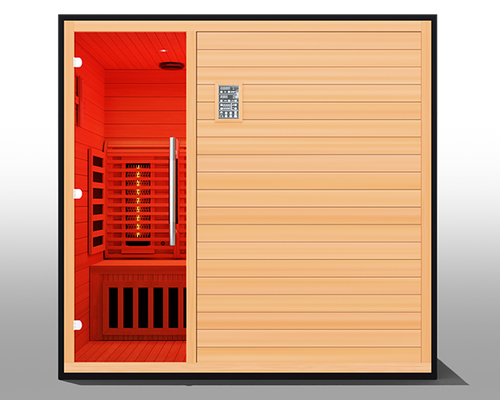
When considering the best infrared sauna for your wellness routine, the choice between outdoor and indoor models goes far beyond aesthetics. Performance, installation flexibility, and user experience all shift significantly depending on where your sauna lives.
Outdoor models allow for larger layouts and integration with cold plunge zones, while indoor units offer privacy and consistent climate control. Some users explore flexible options such as a portable outdoor infrared sauna, depending on space and lifestyle needs.
Thermal Performance And Environmental Control
Indoor infrared saunas operate within the stable temperatures and humidity of your home, leading to highly consistent thermal performance. By contrast, outdoor infrared saunas must contend with the variable elements, seasonal temperature swings, wind, and moisture. High-quality outdoor models are engineered to maintain rapid heating and steady full-spectrum output, even in less predictable ambient conditions. Advanced insulation and airflow systems become vital, ensuring the heat remains therapeutic regardless of the weather.
Installation And Space Considerations
Outdoor infrared saunas free users from space constraints, allowing for larger cabin designs that can accommodate groups or more elaborate therapies such as contrast bathing. The indoor environment typically limits size and layout, focusing on an efficient footprint, ease of integration, and preservation of your home's existing climate controls.
Wellness Routine Versatility
An outdoor infrared sauna offers an immersive health retreat, pairing the benefits of fresh air and nature with powerful heat therapy. This setup often integrates seamlessly with cold plunge zones or poolside recovery, supporting dynamic wellness protocols. Indoor models, meanwhile, excel in convenience and privacy. They’re optimized for year-round, anytime use, making it easier to stick to disciplined routines, especially in regions with extreme weather.
Durability And Maintenance
Durability requirements diverge sharply: outdoor infrared saunas demand premium weather-resistant materials, double-sealed joints, and robust construction. They’re built to withstand years of sun, rain, and temperature shifts. Indoor saunas are protected from the elements, which can reduce maintenance needs and extend the lifespan of interior finishes.
Troubleshooting Heat Retention And Performance Issues
Even with high-quality systems, occasional performance concerns can arise. Addressing airflow obstructions, sealing gaps, monitoring power supply stability, and following routine maintenance protocols will protect your investment and ensure consistent outcomes from your outdoor home sauna.
Inconsistent Heating Or Cool Spots
Inconsistent temperatures or cool patches may be caused by disrupted airflow or blocked heaters. Start by examining all interior vents and heater panels to confirm they’re free from obstructions such as towels or personal items. Properly distributed airflow is crucial for maintaining consistent infrared delivery throughout the sauna cabin.
Rapid Heat Loss
If your outdoor infrared sauna isn’t retaining heat between sessions, check for possible leaks in door seals, window frames, or wall joints. Weather fluctuations can impact material performance, especially in outdoor settings. Inspect the sauna’s insulation layers and confirm all exterior panels are secured tightly. For persistent issues, consider supplemental insulation or minor weatherproofing upgrades that won’t interfere with manufacturer guidelines.
Delayed Warm-Up Times
Rapid heating is a hallmark feature of advanced systems. If your session start-up is slower than usual, examine your power source for stability or interruptions. Fluctuating voltage or overloaded circuits can impair heater efficiency. Use a dedicated circuit for the sauna and consult a qualified electrician if inconsistencies persist.
Electronic Or Display Anomalies
Modern infrared saunas rely on digital controls and smart sensors. Should you encounter display errors or irregular temperature readings, perform a soft reset: power off the system for several minutes before restarting. If anomalies persist, refer to the system’s troubleshooting guide and log any recurring fault codes for reference during technical support calls.
Maintenance Routines Matter
Routine cleaning of infrared panels, dusting vent points, and inspecting all wooden surfaces for moisture or mold extends the lifespan and performance of your sauna. Avoid harsh chemicals, stick to manufacturer-recommended cleaning protocols to preserve system integrity.
Taking a methodical approach to these common troubleshooting areas can help safeguard the performance and longevity of your outdoor infrared sauna. Regular attention will ensure your wellness investment continues to support targeted outcomes for recovery, detox, and performance.
Sources:
- Pizzey FK, Smith EC, Ruediger SL, Keating SE, Askew CD, Coombes JS, Bailey TG. The effect of heat therapy on blood pressure and peripheral vascular function: A systematic review and meta-analysis. Exp Physiol. 2021 Jun;106(6):1317-1334. doi: 10.1113/EP089424. Epub 2021 May 10. PMID: 33866630.
- Ahokas EK, Kyröläinen H, Ihalainen JK, Hanstock HG. Salivary cortisol response to post-exercise infrared sauna declines over time. Temperature (Austin). 2025 Apr 27;12(3):281-295. doi: 10.1080/23328940.2025.2493460. PMID: 40926789; PMCID: PMC12416168.